.svg)


Demand Intelligence: How Hotels React Faster When the Market Moves

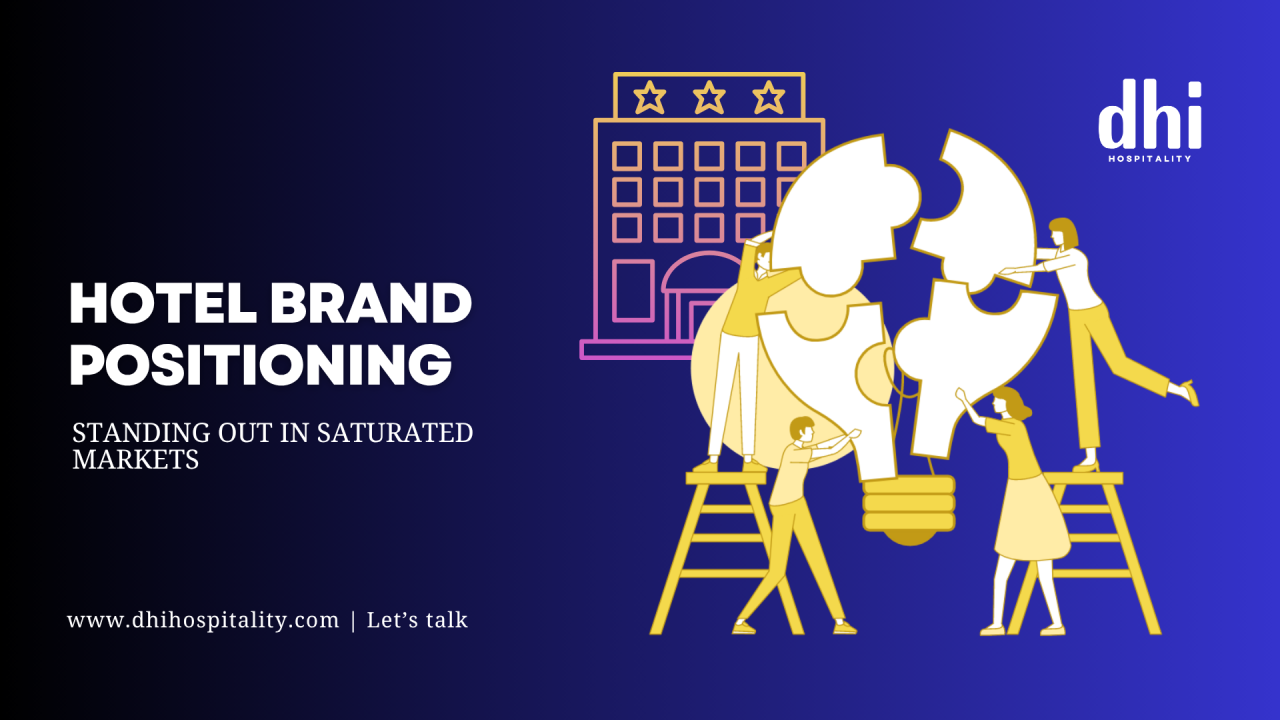
In today’s hyper-competitive hospitality landscape, brand positioning is the deciding factor between thriving hotels and those struggling to stay afloat. With more than 700,000 hotels worldwide, the question is no longer whether the market is saturated, it’s how you’ll stand out to capture premium revenue and long-term guest loyalty.




Many hotels fall into the trap of competing primarily on price. This approach commoditizes the offering, squeezes profit margins, and attracts deal-seeking guests with low loyalty.
The solution? Strategic brand positioning, creating a clear, differentiated value proposition that guests are willing to pay more for, even in a crowded market.
A strong brand identity aligns your design, messaging, and guest experience with your core values. Storytelling adds depth, giving guests an emotional reason to choose you.
Take W Hotels, for example: their “Distinctive Luxury” positioning within Marriott’s portfolio sets them apart through bold design and unique brand personality.
How to Implement:
A defined hotel target market is the difference between a premium rate and a price war. Market leaders like IHG segment first, then tailor their offering to the demographics and needs of each guest group they pursue.
Segmentation Strategies:
Your brand is defined by the experiences guests remember. Hilton, for instance, positions itself by consistently over-delivering and creating lasting positive impressions.
Experience Framework:
Today’s guests expect technology to enhance, not replace, the human experience. From mobile check-in to AI-powered personalization, digital integration is now a brand differentiator.
Boutique and independent hotels can outshine larger brands by leaning into local culture, flexibility, and personalized service.
Competitive Advantages:
Chains can leverage multi-brand strategies to target various market segments while uniting them under one loyalty program.
Brand Tiers:
Hotels with strong positioning enjoy tangible, measurable benefits:
Phase 1: Analysis (Days 1–30)
Phase 2: Strategy Development (Days 31–60)
Phase 3: Implementation (Days 61–90)
Key Performance Indicators:
In a saturated hospitality market, brand positioning isn’t a “nice to have”, it’s a critical driver of survival, profitability, and long-term asset value. Hotels that commit to authentic differentiation, consistent brand delivery, and clearly defined target markets for hotels outperform the properties around them.
At dhi Hospitality, we help hotels create distinctive brand positioning strategies that deliver measurable revenue growth. Our expertise spans competitive analysis, differentiation strategy, pricing optimization, and team training aligned with your brand promise.







.webp)
.webp)